Free basic installation*

Vacuum cleaner suction power is one of the most common things people look at when choosing or maintaining a vacuum cleaner. However, suction power alone does not always show how well a vacuum cleaner will clean your home.
A good vacuum cleaner needs balanced cleaning performance. This means it should pick up dust, crumbs, hair and fine particles well across hard floors, carpets, rugs, sofas and corners — and keep doing so over time.
Quick summary:
- Empty the dustbin regularly to maintain airflow.
- Clean filters to prevent suction loss.
- Remove blockages in hoses, tubes and attachments.
- Keep brush rolls and nozzles free from hair and debris.
- Use the right nozzle or accessory for each surface.
What is vacuum cleaner suction power?
Vacuum cleaner suction power is the force that helps pull dust and dirt into the vacuum cleaner.
A vacuum cleaner works by combining two things: suction and airflow. Suction helps lift dirt from the surface. Airflow helps move that dirt into the dustbin or dust bag. You need both to work well for good cleaning results.
Different brands may measure suction power in different ways, such as Air Watts (AW), Pascals (Pa), kilopascals (kPa), watts (W) or airflow. Because of this, it is not always easy to compare vacuum cleaners by numbers alone.
For everyday users, the better question is simple: how well does the vacuum cleaner actually clean in your home?
What affects vacuum cleaner cleaning performance?
Vacuum cleaner cleaning performance depends on several parts working together.
Motor and airflow: The motor creates suction and airflow. Good airflow helps move dust and dirt from the floor into the vacuum cleaner smoothly.
Nozzle design: The nozzle is the part that touches the floor. A good nozzle helps pick up dust, crumbs, hair and larger particles from different floor types.
Filtration: Filtration helps trap fine dust inside the vacuum cleaner and reduce dust escaping back into the room. A dirty or blocked filter can reduce airflow.
Sealing: A well-sealed vacuum cleaner helps prevent air leakage. This helps maintain suction and airflow during cleaning.
Maintenance: A full dustbin, dirty filter, blocked tube or tangled brush roll can reduce cleaning performance. Regular maintenance helps the vacuum work better for longer.
Smart sensors and power modes: Some vacuum cleaners can adjust power based on floor type or cleaning mode. This helps balance cleaning performance and battery use.
How is suction power measured?
You may see different numbers on different vacuum cleaners. Here is what they mean in simple terms:
|
Unit |
What it means |
Consumer note |
|
AW (Air Watts) |
Shows how efficiently the vacuum turns power into suction and airflow |
Useful for comparing suction strength when the same testing method is used. |
|
Pa / kPa (Pascals / kilopascals) |
Shows how strongly the vacuum pulls air at the suction opening. |
Commonly used for robot vacuums and some cordless vacuums. |
|
W (Watts) |
Shows how much electricity the motor uses. |
Higher watts do not always mean stronger suction or better cleaning. |
|
Cleaning / dust pick-up result |
Shows how well the vacuum actually removes dust and debris from a surface. |
This is often the most useful real-life indicator, but it may not always be shown on product pages. |
Tip: When comparing vacuum cleaners, compare the same unit where possible. AW should be compared with AW, and Pa should be compared with Pa. Different brands may test and report suction differently.
What is a good suction power for a vacuum cleaner?
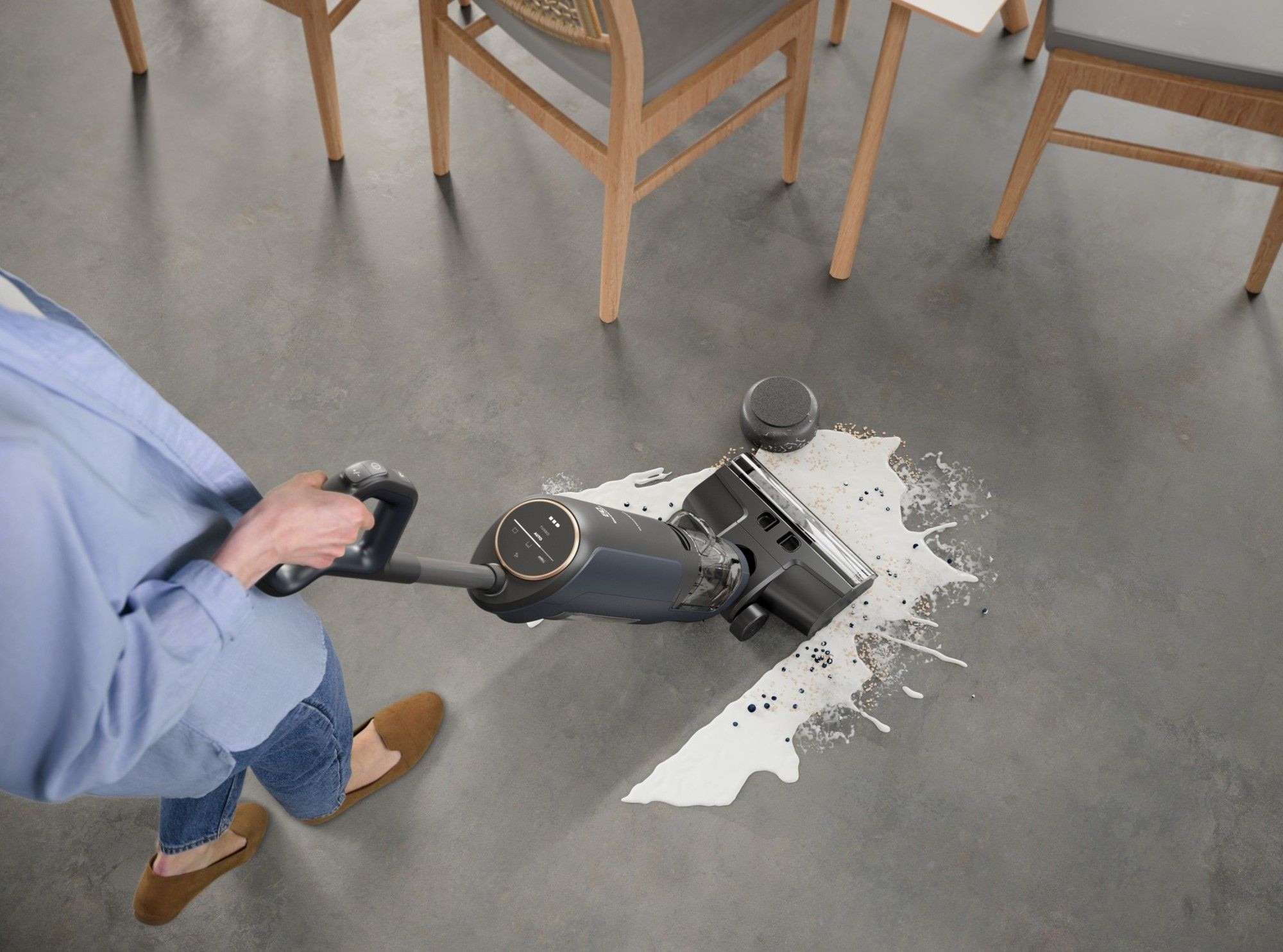
A good suction power depends on the type of vacuum cleaner and what you use it for. In Malaysia, many homes have tile or hard floors, with some rugs or carpets. Choosing the right suction level helps you clean well without focusing only on the highest number.
Rather than looking at one number, match the suction power to your home and cleaning needs.
Quick guide: How much suction power do you need?
|
Vacuum type |
General suction range |
What this means in simple terms |
Best for |
|
Canister vacuum cleaner |
200–400 AW / 20,000–30,000 Pa |
Very strong suction for larger areas, fine dust and deeper cleaning. |
Mixed floors, larger homes, families and carpets. |
|
Cordless vacuum cleaner |
100–210 AW / 15,000–25,000 Pa |
Good everyday suction. Light, easy to use and practical for quick daily cleaning. |
Tiles, hard floors, light rugs, apartments and condos. |
|
Handheld vacuum cleaner |
30–50 AW / 3,000–6,000 Pa |
Light suction for small messes. Compact and easy to carry. |
Sofas, car seats, shelves, desks and spot cleaning. |
|
Robot vacuum cleaner |
3,000–8,000+ Pa |
Enough for daily floor maintenance. It is useful for regular automatic cleaning, but not usually as strong as a stick or canister vacuum. |
Hard floors, low-pile rugs and daily maintenance cleaning. |
|
Wet and dry vacuum cleaner |
100+ AW / 18,000+ Pa |
Handles both wet spills and dry dirt. Useful for messier areas. |
Kitchens, utility areas, wet spills and deeper cleaning tasks. |
Note: These are general market guidance ranges. Actual cleaning results also depend on airflow, nozzle design, filtration, sealing, floor type and maintenance. Different brands may measure suction power differently.
How to choose the right suction power for your home
- Apartments and condos: A cordless stick vacuum or robot vacuum with moderate suction is usually enough for daily cleaning on tile and hard floors.
- Landed homes: A canister vacuum with higher suction can give better coverage for larger spaces and mixed flooring.
- Homes with pets: Strong suction and the right brush tool help remove hair from floors, rugs and sofas.
- Mixed flooring: Look for adjustable suction settings or the right nozzle so you can switch between tiles, rugs and carpets.
- Fine dust or allergy concerns: Prioritise good filtration, not only suction power.
A good vacuum cleaner balances suction, airflow, nozzle design and filtration to deliver consistent results across different surfaces.
How to improve vacuum cleaner suction power at home
If your vacuum cleaner feels weaker than before, try these simple steps.
1. Empty the dustbin or replace the dust bag
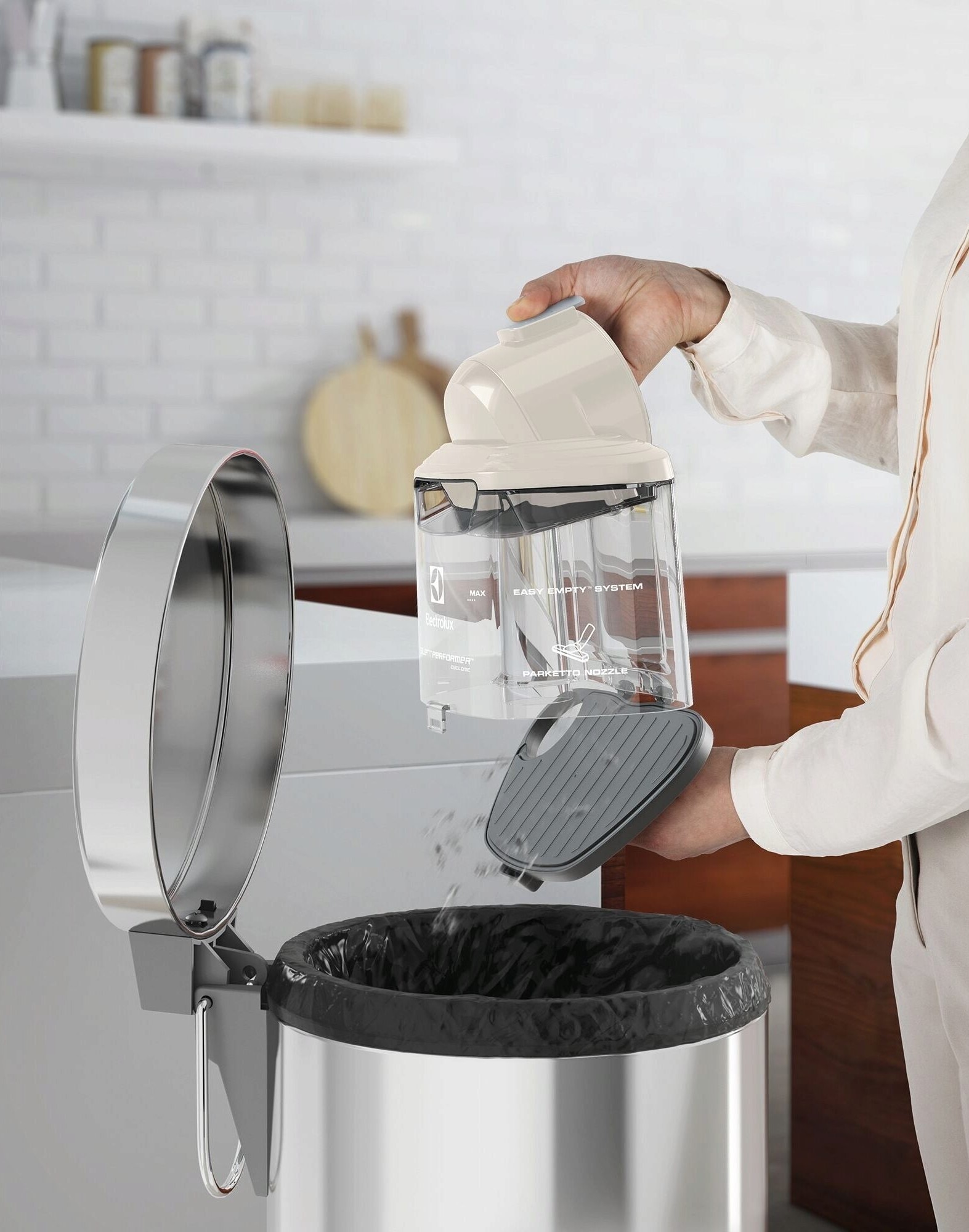
A full dustbin or dust bag can reduce airflow. Empty the dustbin or replace the dust bag regularly to help maintain suction performance.
For best results, do not wait until the dustbin or dust bag is completely full.
2. Clean or replace the filter
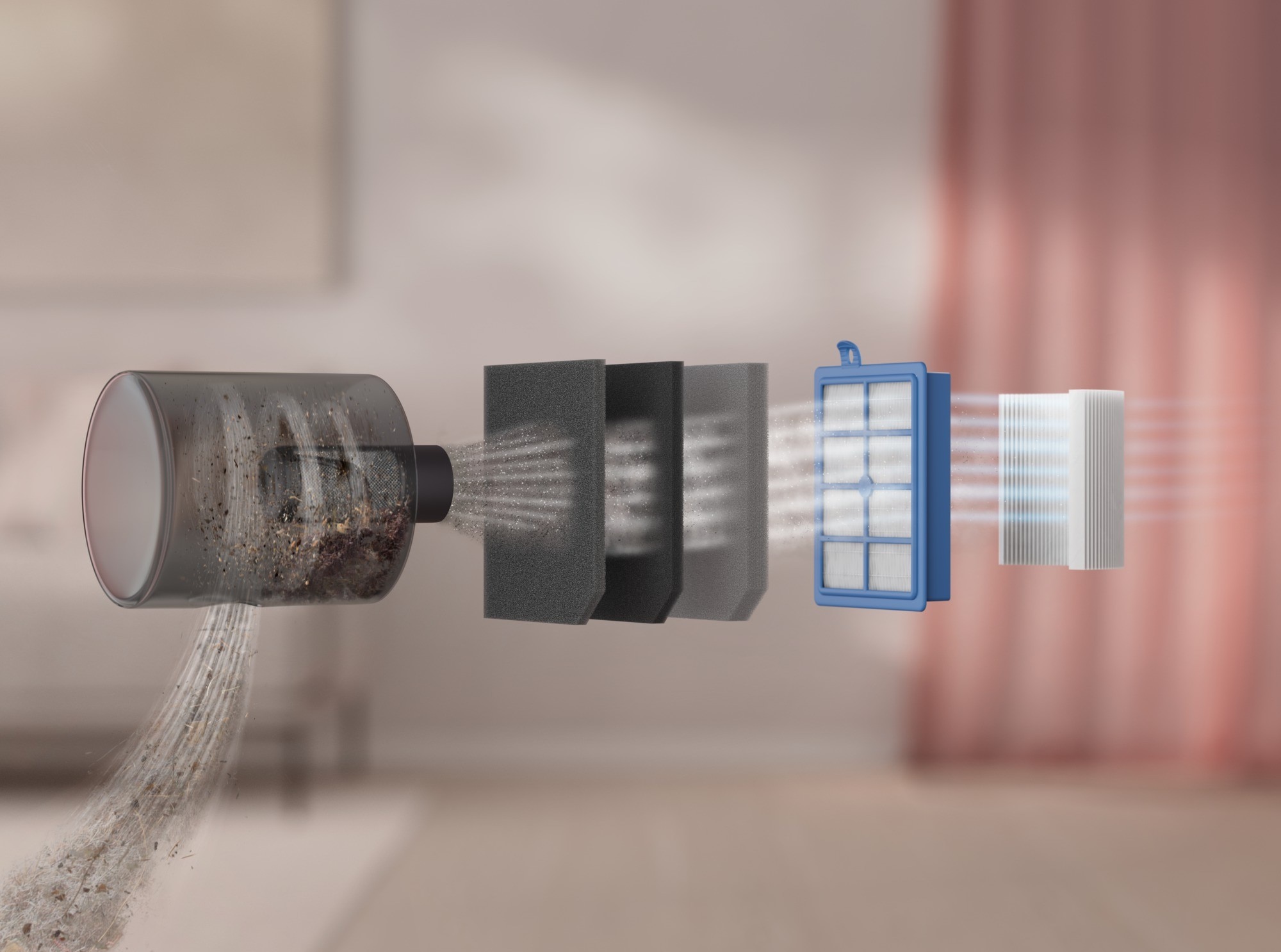
A dirty filter can block airflow. Clean or replace the filter based on the user manual.
Make sure washable filters are completely dry before placing them back into the vacuum cleaner.
>>> Read more: How to clean vacuum cleaner
3. Check the tube and hose for blockages
Dust, tissue, hair or small objects can block the tube or hose. Check and remove any blockage before using the vacuum cleaner again.
Even a small blockage can reduce airflow and suction.
4. Clean the brush roll and nozzle
Hair, thread and dust can get stuck around the brush roll or nozzle. Cleaning these parts helps the vacuum pick up dirt more effectively.
Use care when removing tangled hair or fibres from the brush roll.
5. Use the right nozzle for the floor type
Use a floor nozzle for hard floors, a brush nozzle for carpets and smaller tools for sofas, corners and tight spaces.
The right nozzle can improve pick-up performance without needing to increase power all the time.
6. Use compatible accessories and support when needed
Compatible Electrolux vacuum cleaner accessories can help support proper airflow, filtration and cleaning performance.
If suction remains weak after basic checks, professional support may be needed to assess internal components.
How to choose a vacuum cleaner based on your home needs
Choose a vacuum cleaner based on how and where you clean most often.
- For hard floors, choose a vacuum cleaner with good airflow and a suitable floor nozzle.
- For carpets and rugs, choose a model with strong pick-up performance and a brush nozzle.
- For pet hair, choose a model with tools designed to lift hair from floors and furniture.
- For daily cleaning, choose a vacuum cleaner that is easy to use, clean and store.
- For fine dust or allergy concerns, choose a model with strong filtration.
Why suction performance also depends on the right vacuum cleaner
Regular maintenance helps restore suction, but consistent cleaning performance starts with choosing the right vacuum cleaner for your home.
Electrolux vacuum cleaners are designed to support everyday home cleaning across different floor types, cleaning habits and storage needs. With practical attachments, reliable airflow and useful filtration features, the right model can help you clean more efficiently with less repeated effort.
Discover our range of Electrolux vacuum cleaners available on our website.

-
- Up to 4000Pa* suction on fine to large particles².
- Thoroughly clean hard floors with integrated mop.
- Lidar maps home to optimise cleaning efficiency.
-
- 2-in-1 performance nozzle cleans all floor types.
- Easy-empty, bagless canister reduces contact with dust.
- Hygienic HEPA filter for a clean, healthy home.
-
- Grab & Go for quick, convenient cleaning.
- Cyclonic system maintains suction even when full.
- Low weight for comfortable cleaning.
FAQs about vacuum cleaner suction power
-
What is vacuum cleaner suction power?
Vacuum cleaner suction power is the force that helps pull dust and dirt into the vacuum cleaner.
-
Is higher suction power always better?
Not always. Higher suction can help, but cleaning also depends on airflow, nozzle design, filtration, sealing and maintenance.
-
What do AW and Pa mean?
AW, or Air Watts, is a way to measure suction and airflow efficiency. Pa, or Pascals, measures suction pressure. Both can show suction strength, but they are measured differently.
-
Does higher wattage mean better suction?
Not necessarily. Watts show how much electricity the motor uses. A vacuum with lower wattage but better airflow and nozzle design can still clean well.
-
Why is my vacuum cleaner losing suction?
Common reasons include a full dustbin, dirty filter, blocked hose, clogged nozzle or tangled brush roll.
-
How can I improve vacuum cleaner suction?
Empty the dustbin, clean the filter, remove blockages, clean the nozzle and use the right tool for each floor type.
-
How often should I clean my vacuum filters?
Follow the product manual. As a general habit, check filters regularly and clean or replace them when they look dirty or airflow becomes weak.
-
Can a full dust bag reduce suction power?
Yes. A full dust bag can block airflow, which reduces suction and cleaning performance.
-
What vacuum cleaner is best for carpets?
For carpets, choose a vacuum cleaner with strong pick-up performance and a suitable brush nozzle.
-
What vacuum cleaner is best for pet hair?
For pet hair, choose a vacuum cleaner with tools designed to lift hair from floors, sofas and other fabric surfaces.
Conclusion
Vacuum cleaner suction power is important, but it is only one part of cleaning performance. A good vacuum cleaner should balance suction, airflow, nozzle design, filtration, sealing and easy maintenance.
Instead of looking only at suction numbers, choose a vacuum cleaner based on your home needs, floor type and cleaning habits.