


 Free basic installation*

Indoor air can contain dust, pollen, pet dander, smoke, odours and other airborne particles. In Malaysia, periods of haze, urban pollution, pets and everyday activities such as cooking can also affect how clean and fresh the air inside your home feels.
An air purifier works by filtering airborne particles as air circulates through the appliance. The key benefits of an air purifier include reducing airborne dust and allergens, helping manage pet dander and supporting cleaner indoor air in spaces such as bedrooms and living areas.
But does an air purifier really work, and when is one useful? Here is what you need to know.
What is the function of an air purifier?
The main function of an air purifier is to filter airborne particles and support cleaner indoor air.
Depending on the filtration system, an air purifier may capture dust, pollen, pet dander, smoke particles and other fine airborne particles. Models with activated carbon filtration can also help reduce certain unwanted odours.
It is important to remember that air purifiers primarily clean the air. Dust, pet hair and other particles that have already settled on floors, furniture and bedding still require regular cleaning.
What are air purifiers designed to filter?
Different filters target different types of airborne particles.
A particle filter such as a HEPA filter can capture fine particles including dust, pollen and pet dander. A pre-filter captures larger particles such as hair and dust, while activated carbon filtration can help reduce certain odours and gases.
For effective performance, choose a filtration system that matches your main indoor air concerns and replace filters according to the manufacturer's recommendations.
So, does an air purifier really work?
Yes. Air purifiers can help reduce many airborne particles when the right appliance is used correctly.
However, an air purifier will not remove every pollutant from your entire home. Dust, allergens and other particles can settle on bedding, sofas, carpets and floors, where they need to be removed through regular cleaning.
For this reason, an air purifier works best as part of a broader indoor air-quality routine that includes cleaning, appropriate ventilation and managing sources of pollutants.
What are the main benefits of an air purifier?
The benefits you experience will depend on your household, room and filtration system. Here are some of the most common reasons to consider an air purifier.
Can an air purifier remove dust?
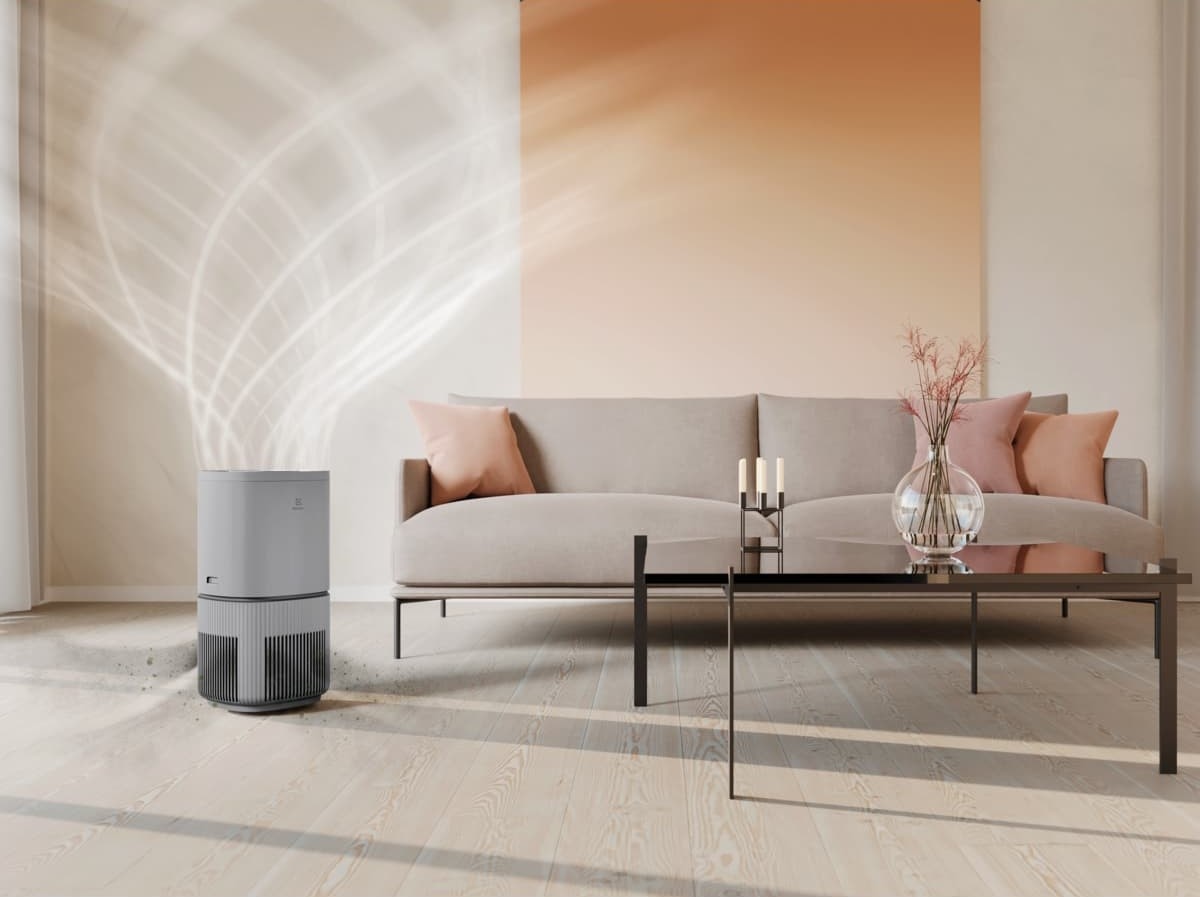
Yes, an air purifier can help reduce airborne dust by capturing particles as air passes through its filtration system.
However, it cannot remove dust that has already settled on floors and furniture. Regular vacuuming and surface cleaning should therefore be used alongside an air purifier.
If dust is one of your main concerns, look for effective particle filtration and room coverage appropriate for your space.
What are the benefits of an air purifier for pet allergies?
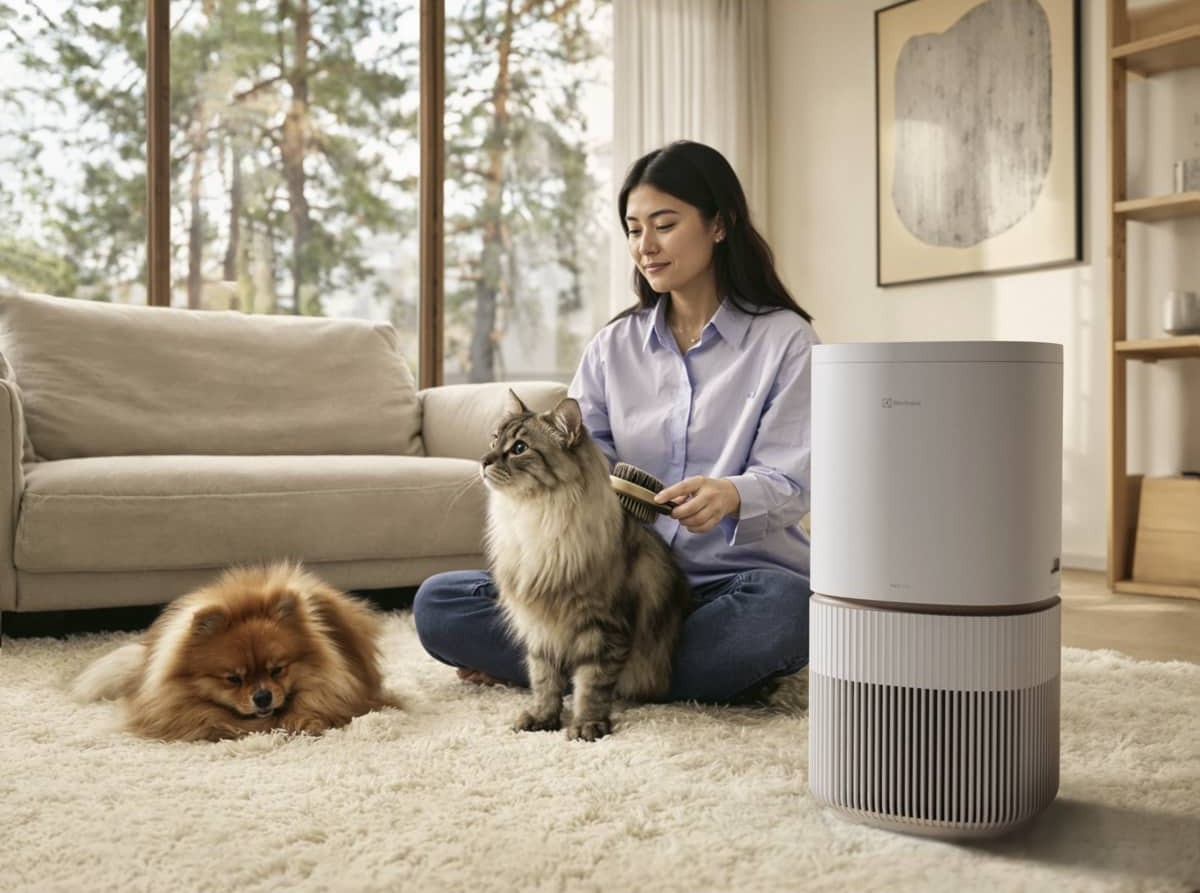
Pets can introduce hair, dander and odours into your indoor environment. For households concerned about pet allergens, an air purifier with effective particle filtration can help capture airborne pet dander.
A pre-filter can also capture larger airborne particles such as pet hair, while activated carbon filtration may help reduce pet-related odours.
An air purifier does not replace regular vacuuming, cleaning pet bedding or other allergy-management measures, but it can complement them by reducing airborne particles.
What are the benefits of an air purifier in the bedroom?
A bedroom is one of the most practical places to use an air purifier because you spend several hours there each night.
An air purifier can help reduce airborne dust, pollen and other particles while you sleep. For bedroom use, choose a model with suitable room coverage, quiet operation and a sleep or low-noise mode.
Place the purifier where air can circulate freely and avoid blocking the air inlet or outlet with furniture, curtains or bedding.
What are the benefits of an air purifier for a baby or child's room?
An air purifier can support cleaner indoor air in a baby's or child's room by filtering airborne dust, pollen and other fine particles.
When choosing a model, prioritise effective filtration, quiet operation, appropriate room coverage and safe placement. Keep the appliance and power cord where children cannot easily reach them, and ensure the airflow is not obstructed.
An air purifier should complement regular cleaning and appropriate ventilation rather than replace them.
Can an air purifier reduce odours?
It depends on the filtration system.
Odours are often caused by gases rather than particles, so particle filtration alone may not remove them effectively. Air purifiers with activated carbon or other odour-focused filtration can help reduce certain smells from cooking, pets or smoke.
For strong or persistent odours, address the source and use appropriate ventilation alongside air purification.
Can an air purifier remove smoke?
An air purifier with suitable filtration can help capture some airborne smoke particles, including particles associated with haze or other sources of smoke.
However, it cannot remove smoke residue that has settled on walls, furniture or fabrics, and it should not be considered a substitute for eliminating the source of indoor smoke.
During periods of haze in Malaysia, keeping doors and windows closed while operating an appropriately sized air purifier can help limit additional outdoor particles entering the room.
Can an air purifier reduce mould?
An air purifier with effective particle filtration may capture some airborne mould spores, but it cannot remove mould growing on walls, ceilings or other surfaces.
If mould is present, the source of excess moisture should be identified and addressed. Surface mould should also be cleaned appropriately rather than relying on air purification alone.
Can an air purifier reduce humidity?
No. Air purifiers are generally designed to filter airborne particles, not remove moisture from the air.
If excessive humidity is your main concern, a dehumidifier is the more appropriate appliance. An air purifier and dehumidifier perform different functions and may be used together when both air filtration and humidity management are required.
Air purifier or humidifier: Which one is better?
Neither appliance is inherently better because they solve different indoor air concerns.
- An air purifier filters airborne particles such as dust, pollen and pet dander.
- A humidifier adds moisture to dry indoor air.
In Malaysia's generally humid climate, adding more humidity may not always be necessary. Choose an appliance based on the conditions in your home rather than treating them as interchangeable products.
Should you close the door when using an air purifier?
In most cases, keeping the doors and windows of the room closed can help an air purifier work more effectively by limiting the amount of new outdoor air and particles entering the space.
This can be particularly useful during periods of haze or when outdoor air quality is poor.
However, appropriate ventilation is still important when outdoor conditions are suitable. Always follow the operating and placement instructions for your specific air purifier.
Other tips to improve air quality in your home
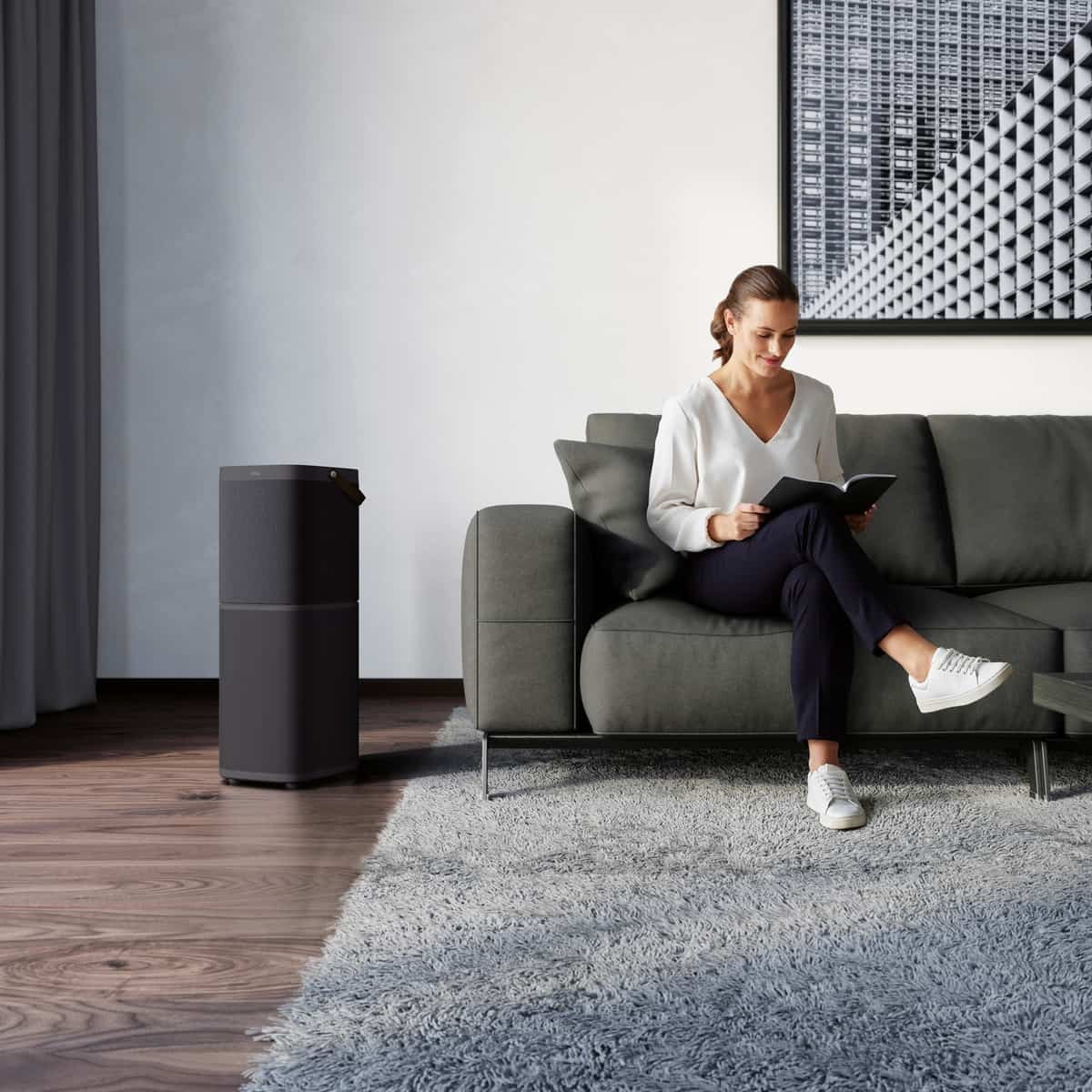
An air purifier is most effective when combined with good everyday indoor air habits.
To support cleaner air at home:
- Vacuum and clean surfaces regularly to remove settled dust and pet hair
- Ventilate your home when outdoor air quality is suitable
- Wash bedding regularly to reduce accumulated dust and allergens
- Clean pet areas and bedding frequently
- Manage excessive humidity to discourage mould growth
- Avoid smoking indoors
- Replace air purifier filters according to the manufacturer's recommendations
These steps work alongside air purification to create a cleaner and more comfortable indoor environment.
Are Electrolux air purifiers good for everyday indoor air quality?
Electrolux air purifiers are designed to support cleaner, fresher indoor air through effective filtration and features suited to everyday household needs.
For example, the Electrolux UltimateHome 300 EP32-25WBA features a four-stage filtration system and is suitable for rooms up to 30m².
Its PureProtect system reduces harmful airborne substances, while AirSurround is designed to purify room air in just 15 minutes. With a low 19dBA noise level, it is also well suited to quiet spaces such as bedrooms and home offices.
Explore Electrolux air purifiers to find an option suited to your room size and everyday indoor air quality needs.
Verdict: Is an air purifier worth it?
So, why do we need an air purifier? If your home is affected by airborne dust, pollen, pet dander, haze or certain odours, an air purifier can be a useful addition to your indoor air-quality routine.
Its primary benefit is reducing the concentration of airborne particles as room air passes through the filtration system.
For the best results, use your air purifier alongside regular cleaning, appropriate ventilation and good filter maintenance rather than relying on it as the only solution for indoor air quality.