


 Free basic installation*

Indoor air quality is an important consideration for many households in Malaysia, especially during periods of haze or when living in busy urban areas. Dust, pollen, pet dander, odours and fine airborne particles can build up indoors, even when doors and windows are closed.
A good air purifier can help improve indoor air quality by filtering airborne particles and keeping your bedroom, living room or home office feeling fresher.
If you're wondering which air purifier brand in Malaysia is right for you, how to choose an air purifier for your room size, or which features matter most, this guide covers the key factors to consider before buying.
Quick summary: How to choose an air purifier
When choosing an air purifier:
- Check room coverage to find a model suitable for your space
- Choose the right filtration system based on dust, allergens, pet dander or odours
- Compare CADR to understand air-cleaning performance
- Consider noise levels, especially for bedrooms and offices
- Check filter availability and replacement requirements
- Consider useful features such as auto mode, sleep mode and air quality monitoring
What is an air purifier?
An air purifier is a home appliance that filters indoor air by drawing air into the unit, passing it through one or more filters, and releasing filtered air back into the room.
So, what does an air purifier do? Depending on its filtration system, it can help capture airborne particles such as dust, pollen, pet dander and other fine particles. Some filters can also help reduce unwanted odours.
How does an air purifier work?
Most air purifiers use a fan to draw room air through different filtration layers. Airborne particles are captured by the filters before filtered air is circulated back into the room.
Air purifiers can be particularly useful in Malaysia during periods of haze or in homes affected by urban dust, pets, cooking odours and other everyday airborne particles.
What are the different types of air purifiers?
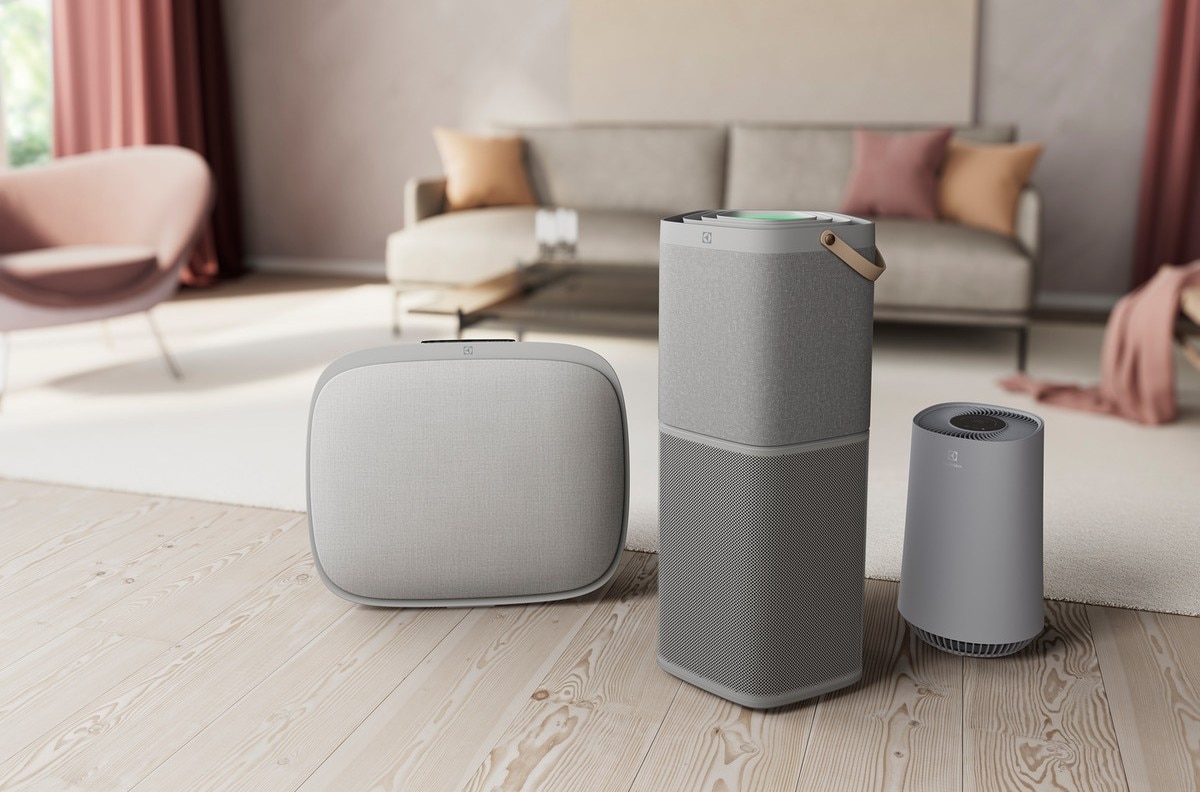
There are several types of air purifiers, and the right option depends on what you want to filter and where you plan to use it.
- HEPA air purifiers: Designed to capture fine airborne particles such as dust, pollen and pet dander.
- Activated carbon air purifiers: Help reduce unwanted odours, smoke and certain gases.
- Multi-stage air purifiers: Combine several types of filtration to address different indoor air concerns.
- Room air purifiers: Portable units designed for spaces such as bedrooms, living rooms and offices.
- Car air purifiers: Compact units specifically designed for smaller vehicle interiors.
Many modern air purifiers combine multiple filter types rather than relying on a single filtration method.
How to choose an air purifier
When comparing air purifiers, focus on room size, filter type, CADR, noise level, maintenance and useful features. These factors can help you find a model that suits your home and everyday needs.
Choose the right filter type
Filter type is one of the most important things to consider when buying an air purifier.
- A HEPA filter is useful for capturing fine airborne particles such as dust, pollen and pet dander. If these particles are your primary concern, effective particle filtration should be a priority.
- A carbon filter helps reduce unwanted odours, smoke and certain gases. This can be useful for households with pets or frequent cooking.
- A pre-filter captures larger particles such as hair, dust and pet fur before they reach the main filter, supporting filtration performance and easier maintenance.
Match the air purifier to your room size
Choose an air purifier suitable for the size of the room where you plan to use it most. A purifier that is too small may take longer to filter the room air effectively.
| Room type | What to consider |
| Bedroom | Quiet operation, sleep mode and suitable room coverage |
| Children's room | Low noise, reliable filtration and safe placement |
| Living room | Larger coverage, stronger CADR and multiple fan speeds |
| Large room | Wide coverage and higher air-cleaning performance |
| Office | Suitable coverage, air quality monitoring and low noise |
Always check the recommended coverage area in the product specifications rather than judging performance by the physical size of the appliance.
Check CADR for cleaning performance
CADR stands for Clean Air Delivery Rate and indicates how quickly an air purifier can deliver filtered air into a room.
In general, a higher CADR means an air purifier can filter air more quickly, but the appropriate CADR depends on your room size and air quality needs.
When comparing models, consider CADR together with recommended room coverage to understand whether the purifier is suitable for your space.
Consider noise level
Noise level matters if you plan to use your air purifier for long periods, particularly in bedrooms, children's rooms and offices.
For bedrooms, consider sleep mode or low-noise operation. Multiple fan speeds can also be useful, allowing you to increase airflow when needed and lower it when quieter operation is preferred.
Look for useful features
Depending on the model, useful features may include:
- Air quality sensors
- Auto mode
- Real-time air quality display
- App control
- Filter replacement indicator
- Sleep mode
- Multiple fan speeds
Choose features based on how you intend to use the appliance rather than simply selecting the model with the most functions.
Relevant reading: 5 tips to use an air purifier effectively
Best air purifier for different needs
Different households and spaces have different air quality concerns. Here's what to consider based on where and why you plan to use an air purifier.
Air purifier for allergies
If airborne allergens are a concern, look for effective particle filtration, such as HEPA filtration, that can capture particles including pollen, dust and pet dander.
An air purifier can support cleaner indoor air but should complement, rather than replace, regular cleaning and appropriate medical advice for allergies or asthma.
Air purifier for PM2.5 and dust
Can an air purifier remove dust? An air purifier can help reduce airborne dust by capturing particles as room air passes through its filtration system.
For fine particles and dust, look for effective particle filtration and a CADR suitable for your room size. Remember that an air purifier will not remove dust that has already settled on floors and furniture, so regular cleaning remains important.
Air purifier for pet owners
For homes with pets, look for a combination of pre-filtration, effective particle filtration and activated carbon filtration.
A pre-filter can capture larger airborne particles such as pet hair, while particle filtration can help capture pet dander. Carbon filtration can also help reduce unwanted pet odours.
An air purifier for pet hair should complement regular vacuuming, as hair that has already settled on floors, sofas and other surfaces still needs to be removed manually.
Air purifier for bedrooms
For an air purifier for a room such as a bedroom, prioritise quiet operation, sleep mode and suitable room coverage.
Place the purifier in an open area where airflow is not obstructed by furniture, curtains or bedding. Always follow the placement recommendations provided for your specific model.
Air purifier for children
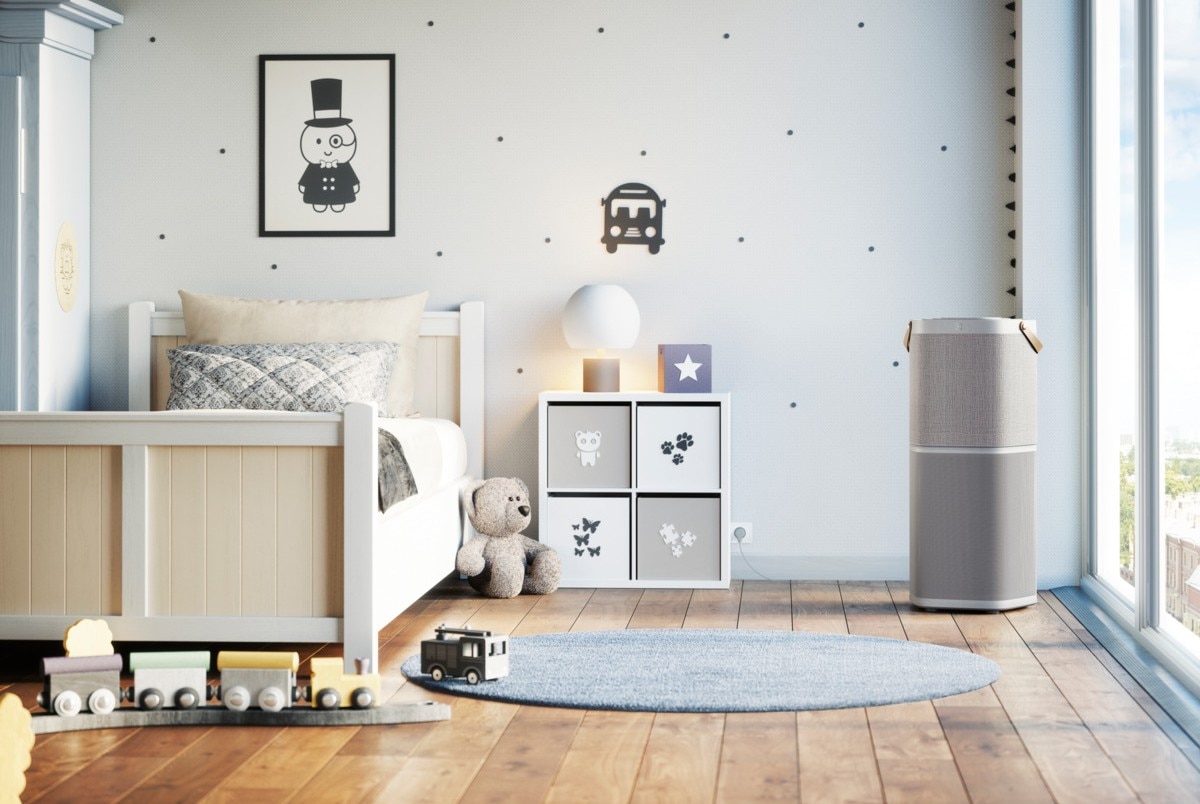
For children's rooms, focus on reliable filtration, low noise and safe placement. Choose a purifier suitable for the room size and position it where children cannot easily block the air outlet or access the power cord.
Air purifier for office use
When choosing an air purifier for office use in Malaysia, consider the size of the workspace, operating noise and how long the appliance will run throughout the day.
For home offices, a compact and quiet purifier may be sufficient. Larger shared offices or meeting rooms may require greater room coverage and a higher CADR. Air quality monitoring and auto mode can also be convenient for spaces used throughout the working day.
Air purifier for cars
An air purifier for a car is typically a compact unit designed specifically for the smaller enclosed space of a vehicle.
When choosing one, check that the product is intended for vehicle use and consider its filtration system, power requirements and recommended coverage. A standard room air purifier should not be used in a car unless the manufacturer specifically states that it is suitable for this purpose.
Air purifier price: How much should you spend?
Air purifier prices in Malaysia vary depending on room coverage, CADR, filtration system, smart features, design and replacement filter costs.
Smaller models for bedrooms or home offices may be more affordable, while models designed for larger living areas may cost more due to their greater coverage and airflow requirements.
When setting your budget, consider both the initial purchase price and long-term filter replacement costs. Filter availability is also worth checking before choosing a model.
What air purifier brand is good in Malaysia?
A good air purifier brand in Malaysia should provide reliable filtration, clear product information and options suitable for different room sizes and household needs.
When comparing brands, consider:
- Filtration performance
- Recommended room coverage
- CADR information
- Noise level
- Filter availability
- Replacement filter requirements
- Smart features
- Warranty and after-sales support
- Customer reviews
Rather than choosing based on brand or price alone, compare these factors to find an air purifier suited to your space and primary air quality concerns.
Is Electrolux air purifier good?
Electrolux air purifiers are designed for modern homes that want cleaner, fresher indoor air. Depending on the model, they combine multi-stage filtration with features designed to support effective and convenient everyday air purification.
For Malaysian households, an Electrolux air purifier can be considered for everyday concerns such as airborne dust, pet dander, odours and periods of haze. When choosing a model, compare its room coverage, filtration system, noise level and features with your household needs.
Recommended Electrolux air purifier to consider
Electrolux UltimateHome 300 air purifier with 4-stage filter – EP32-25WBA
The Electrolux UltimateHome 300 EP32-25WBA is designed for rooms up to 30m², making it suitable for spaces such as bedrooms, home offices and smaller living areas.
Key features:
- 4-stage filtration system for everyday indoor air purification
- PureProtect reduces harmful airborne substances¹
- AirSurround purifies room air in just 15 minutes¹
- Low, barely perceptible 19dBA noise level
- Suitable for rooms up to 30m²
Explore Electrolux air purifiers to find a model suited to your room size, lifestyle and indoor air quality needs.
Frequently asked questions about air purifiers
-
1. Where should you place an air purifier?
Place your air purifier in an open area with sufficient space around the air inlet and outlet. Avoid placing it behind furniture or directly against walls where airflow may be restricted.
-
2. Where should you place an air purifier in a bedroom?
Place it where air can circulate freely without being blocked by furniture, curtains or bedding. Follow the manufacturer's recommended clearance around the appliance.
-
3. How long should an air purifier stay on?
This depends on your room size, indoor air conditions and purifier model. Longer operation can provide more consistent filtration, but always follow the operating guidance for your appliance.
-
4. How often should you clean an air purifier?
Clean the exterior, air inlet and accessible pre-filter according to your product manual. Cleaning frequency depends on usage and the amount of dust in your environment.
-
5. How often should you change an air purifier filter?
Filter replacement frequency varies by model, filter type and usage. Follow the manufacturer's recommended schedule or filter replacement indicator where available.
-
6. Where can you buy an air purifier in Malaysia?
You can browse Electrolux air purifiers on the official Electrolux Malaysia website to compare room coverage, filtration features and specifications before choosing a model.