Free basic installation*

An air purifier can help reduce airborne dust, pollen, pet dander and unwanted odours, making it useful for households dealing with allergies, pets or everyday indoor dust.
A good HEPA air purifier with multi-stage filtration is especially useful when you want one unit to address several air-quality concerns at once. This guide explains what filters to look for, how to choose the right air purifier for your room size, and where to place the unit for better everyday performance.
What should you look for in an air purifier for allergies, dust and pets?
Choosing the right air purifier is less about picking the most powerful model and more about matching the filtration, airflow and features to your room and main air-quality concerns.
1. Choose multi-stage filtration to target different pollutants
For dust, allergies and pet-related concerns, look for an air purifier with several filtration stages because each layer serves a different purpose.
- Pre-filter: Captures larger particles such as dust, hair and pet fur before they reach the main filter.
- HEPA filter: Targets finer airborne particles such as pollen, fine dust and pet dander.
- Activated carbon filter: Helps reduce unwanted odours and certain gases, making it useful if you need an air purifier for pet odours.
This combination gives broader coverage than relying on a single filter type.
2. Choose an air purifier suitable for your room size
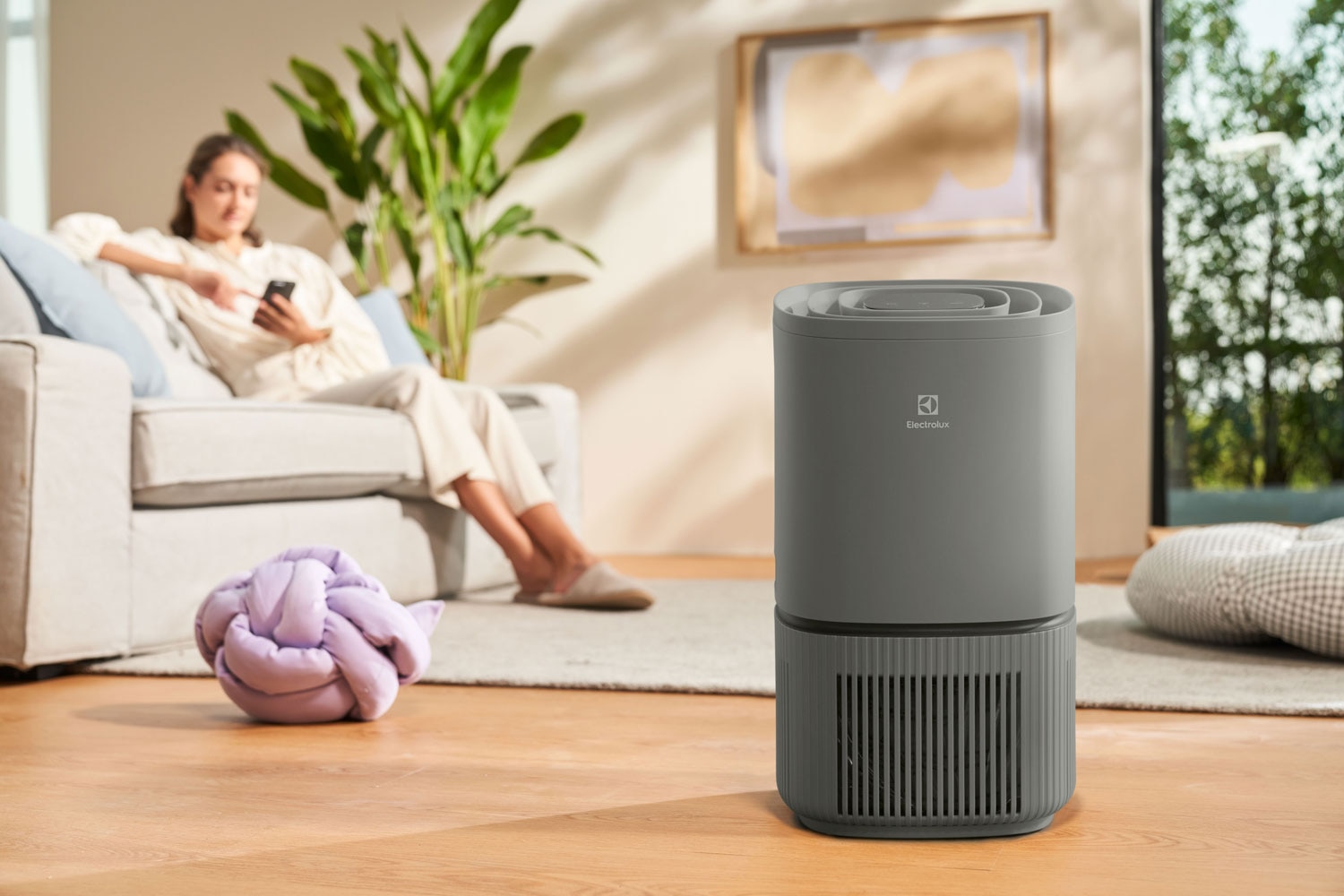
The purifier should be matched to the size of the room where you plan to use it. A unit that is too small may take longer to circulate and filter the air effectively.
Check the recommended room coverage and airflow performance, including CADR where provided. A small bedroom, larger living room and open-plan apartment may all require different capacities.
| Room area (m²) | Minimum CADR (cubic feet per minute) |
|---|---|
| 26 | 200 |
| 40 | 300 |
| 53 | 400 |
| 66 | 472 |
| 88 | 688 |
For more help comparing room coverage, filtration and everyday features, read our air purifier buying guide.
3. Consider noise level for bedrooms and overnight use
If you are looking for an air purifier for bedroom allergies, noise level matters as much as filtration. A quieter model or one with sleep mode can make overnight use more comfortable.
Electrolux recommends considering low-noise operation for bedrooms and children’s rooms, particularly when the purifier may run for long periods.
4. Check filter maintenance and replacement needs
Air-purifier performance depends on keeping the filters in good condition. Check how often the filters need cleaning or replacing and whether replacement filters are easy to obtain.
For HEPA and carbon filters, replacement intervals commonly depend on usage and air quality, so follow the product manual or filter indicator rather than relying on one fixed schedule.
What is the best air purifier for dust?
A good air purifier for dust should combine effective particle filtration with enough airflow for the size of the room.
Look for:
- Pre-filter: Captures larger dust particles before they reach the main filter.
- HEPA filtration: Helps capture finer airborne dust and can be useful when choosing an air purifier for dust allergies.
- Suitable room coverage: Ensures the purifier can circulate air effectively within the intended space.
- Good placement: Position the unit where dust is most noticeable without blocking its air inlet or outlet.
Keep in mind: An air purifier reduces airborne dust but cannot stop all dust from settling on shelves, floors and furniture. Pair it with regular vacuuming, surface cleaning and washing of dust-collecting fabrics.
What is the best air purifier for allergies?
The best air purifier for allergies should prioritise high-efficiency particle filtration, suitable room coverage and comfortable noise levels.
Prioritise effective allergen filtration
A HEPA air purifier can help capture airborne particles such as pollen, pet dander and fine dust-related particles as air passes through the unit.
Choose the room strategically
If allergy symptoms tend to be more noticeable at night or in the morning, consider placing the purifier in the bedroom. Otherwise, prioritise the room where you spend most of your time.
Think about overnight comfort
For an air purifier for bedroom allergies, look for quiet operation or a sleep mode so the unit can run with minimal disruption. An air purifier can support cleaner indoor air, but persistent or severe allergy symptoms should be discussed with a qualified healthcare professional.
What is the best pet air purifier for homes with cats or dogs?
A good pet air purifier should address the airborne pollutants and odours associated with pets rather than focusing only on visible fur.
| Pet-related concern | What to look for |
|---|---|
| Pet dander | High-efficiency particle filtration such as a HEPA filter |
| Pet odours | Activated carbon filtration to help reduce unwanted smells |
| Pet hair and fur | A pre-filter can capture some larger particles, but regular vacuuming and grooming remain important |
| Pet sleeping areas | Place the purifier in or near the room where your pet spends significant time |
Pet hair is relatively large and commonly settles on floors, furniture and fabrics, whereas pet dander can remain airborne. This makes filtration especially important when choosing an air purifier for pet dander.
Finding the right air purifier for pets in Malaysia starts with matching the filtration system and room coverage to the area where your pet spends the most time. Once you have the right unit, follow these 5 tips to maximise performance and maintain fresher indoor air consistently. If you’re a cat owner exploring additional cleaning solutions, read more about choosing a robot vacuum for your home with pets.
Choosing the right air purifier for your home with Electrolux
The right air purifier for allergies, dust or pets depends on your room size, filtration needs, odour concerns and where the appliance will be used most often.
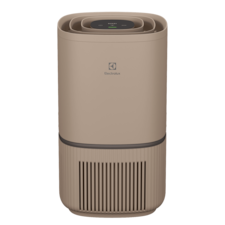
For households that want one compact option for several everyday concerns, the Electrolux UltimateHome 300 (EP32-25WBA) uses 4-stage filtration and is designed for rooms up to 30m². It also operates as quietly as 19dBA, making it suitable for spaces such as bedrooms, home offices and smaller living areas.
FAQs about air purifiers for dust, allergies and pets
What filter is best for household dust and allergies?
A HEPA filter is a strong choice for capturing fine airborne particles such as dust, pollen and pet dander. A pre-filter can also help capture larger dust and hair before they reach the HEPA layer.
Does an air purifier remove dust from a room?
An air purifier can reduce airborne dust, but it will not prevent all dust from settling on surfaces. Regular vacuuming and surface cleaning are still important.
Can an air purifier remove pet hair and pet dander?
It can help capture airborne pet dander and some larger particles, while a pre-filter can trap some pet hair. Most visible fur will still need to be removed through vacuuming and grooming.
Should I turn on the air purifier during sleep at night?
Yes, if the model is suitable for overnight use. For bedrooms, choose a purifier with low-noise operation or sleep mode and ensure it is appropriately sized for the room.
Should I put an air purifier in the room where my pet sleeps?
Yes, that can be a useful location if pet dander or odours are concentrated there. Keep the purifier in an open position where airflow is not blocked by furniture, curtains or bedding.